Vance defends Iran deal, says US is ‘only strong ally’ Israel has left – nationally


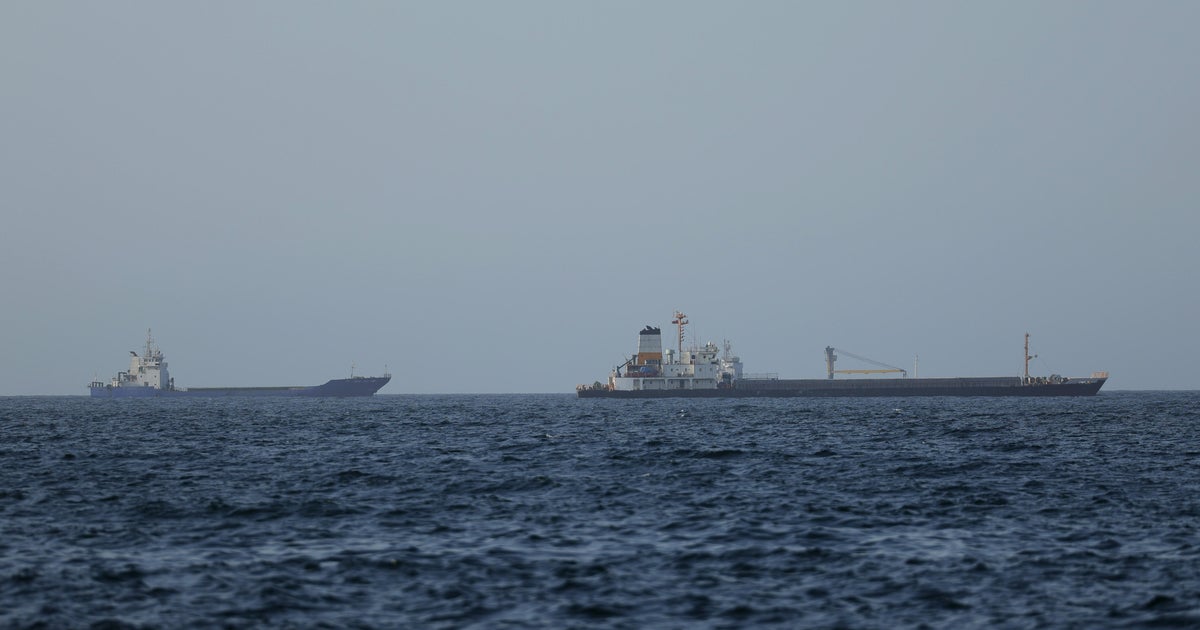
US Vice President JD Vance said on Thursday that the US Navy had allowed more than a dozen ships to go to Iranian ports, lifting an embargo as part of the ceasefire agreement.
Vance made the announcement at a press conference at the White House, where he said more oil is flowing through the Strait of Hormuz. The Republican vice president said more than 12.5 million barrels passed through the terminal on Wednesday night.
“So we also honor our end of the first part of the deal on the military side,” Vance said, citing it as an immediate benefit of the deal as he downplayed criticism that the deal favors Iran.
And in a rare rebuke, he warned America’s critics in Israel of “attacking the only strong coalition” it has left. He lashed out at members of the Israeli government, warning them that “Donald J. Trump is the only head of state in the world who sympathizes with the nation of Israel at this time.”
Vance said he plans to go to Switzerland to talk about the Iran deal, but he doesn’t know when that will happen. He was expected to lead negotiations to implement a deal with Iran aimed at reducing its stockpile of highly enriched uranium and restarting oil flows through the Strait of Hormuz.

On Tuesday, two oil tankers left Iran and crossed into the US military blockade without stopping. A website that tracks merchant shipping said the ships were carrying a combined 3.8 million barrels of Iranian crude.

Get the latest country news
Get the best Canadian news delivered to your inbox as it happens so you never miss a trending story.
Meanwhile, Iranian state media said that the ship is “normal” in the ports of southern Iran but added that the Strait of Hormuz remains under surveillance and under the control of the Iranian military and the passage of important waters still requires cooperation.
Major shipowners have started moving ships through the Strait of Hormuz since the deal was signed, according to maritime data firm Lloyd’s List Intelligence – although it did not provide details on how many ships have passed through the crisis since Thursday.
In a press conference, Richard Meade, chief editor of Lloyd’s List, said that for the first time in 110 days, the ships of major companies are passing through the road after being stopped there since February.
Tankers controlled by major ship owners Grimaldi Group, Cosco, Knutsen and NYK have passed through this road. Also two Iranian-flagged crude oil tankers, owned by the National Iranian Tanker Company, have been cleared to enter the road, according to Lloyd’s list.

Phillip Belcher, maritime director of Intertanko, a trade group of private tanker owners worldwide, said the central channel of the Strait of Hormuz remains blocked and has about 80 mines that need to be cleared.
But ships have been passing through the narrow Northern lane, which runs through Iranian waters, and the Southern lane, which runs through Omani waters.
The deal calls for a permanent end to hostilities and begins a 60-day clock of negotiations to reach a final deal on the future of Iran’s nuclear program, although Trump has left the door open to further attacks. It seems to give Iran few benefits up front while extracting little in return.
It says Iran’s highly enriched uranium waste, believed to be buried under rubble, must at least be cleaned up under international supervision. It also says Iran will not buy or develop nuclear weapons – a commitment it has made in the past. But without saying that the US and Iran will negotiate on Iran’s nuclear program, other commitments still need to be made.
Much of the deal would restore the status quo that existed before the war, including ending hostilities, restarting talks between the US and Iran over Tehran’s nuclear program, and reopening the Strait of Hormuz, the world’s most important oil and natural gas outlet whose closure caused a historic energy crisis.
© 2026 The Canadian Press