Trump won’t bring the US back into full-scale war with Iran ‘unless we have to,’ Vance said


Listen to this article
Average 5 minutes
The audio version of this article was created by AI-based technology. Mispronunciations may occur. We are working with our partners to continuously review and improve the results.
US Vice President JD Vance said talks between the US and Iran were going well as the two countries held informal technical talks in Qatar on the Strait of Hormuz on Wednesday. He added that Washington will not return to full-scale combat unless absolutely necessary.
These talks are based on a 14-point interim agreement signed last month. The deal was intended to end the war that began with US and Israeli strikes on Iran in February, reopen the strait and launch 60 days of talks on a permanent peace deal.
However, the US and Iran have publicly split over the meaning of the interim deal, which led to tit-for-tat military strikes last week and left little sign of progress on complex issues, including Iran’s nuclear program.
Vance said he would not guarantee that Washington would avoid returning to full combat operations before next month’s deadline. For now, however, President Donald Trump has directed officials to reach an agreement, he said.
“I’m not going to commit to anything, because, obviously, it depends on what the Iranians are going to do in the end,” he told reporters during a visit to Virginia Beach, Virginia. “What I can commit to is this: The president will not send our troops back unless he has to, unless there is a clearly defined purpose for that.”

The talks are focused on shipping and handling at the moment
Vance said technical talks in Doha focused on maritime transport and would later turn to Tehran’s nuclear capabilities.
“It’s still very early, but the talks are going well,” he said.
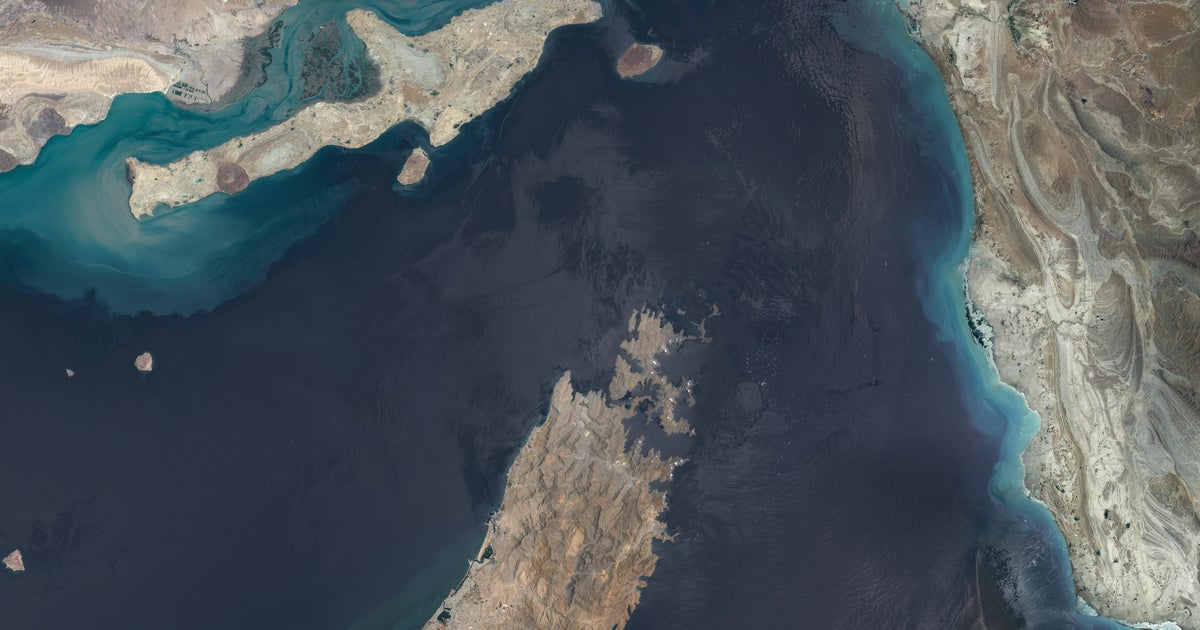
Iran is determined to protect global recognition of its control of a vital oil waterway and its ability to levy tariffs on ships entering and leaving the Gulf, even if it has to do so by force, according to two senior Iranian sources.
Traffic has slowly resumed through the strait, which handled a fifth of the world’s oil and liquefied natural gas trade before the war.
Trump, who has said the removal of Iran’s most enriched uranium is a top priority, told reporters on Wednesday that “the removal of Iran is going well.” He did not provide details.
Asked about the possibility of a return to a heavy-handed war with Iran, Trump added: “Well, I think they’ve come a long way. We hit them hard last week. I think they’re fine.”

The truce between Iran and the US has been made more fragile after a spate of attacks and threats over the weekend, but some experts say a fragile deal is still better than nothing.
Indirect talks, mediated by Qatar and Pakistan, began on Tuesday night and continued on Wednesday, an Iranian official said.
The talks are scheduled as sessions involving key negotiators and experts, according to a source with knowledge of the talks. The source said Trump’s son-in-law, Jared Kushner, and ambassador Steve Witkoff met with the Qatari prime minister to lay the groundwork but did not attend the talks.
Kushner and Witkoff later met with the emir of Qatar to discuss US-Iran talks and developments, where a similar conflict erupted between Israel and the Iran-backed terrorist group Hezbollah in early March.
Iran’s Deputy Foreign Minister Kazem Gharibabadi led a delegation of representatives from the country’s Ministry of Foreign Affairs, Ministry of Central Bank and Ministry of Agriculture. This team met with the prime minister of Qatar and discussed with the mediators.
Iran has publicly stated that its priorities include reaching an agreement on the management of the strait and securing the release of US $ 6 billion in frozen Iranian assets. An Iranian official said the current talks would focus on those two issues.
The priority for the US is to ensure the free flow of traffic between the centers, said a source with knowledge of the negotiations.
Iranian state media on Wednesday said a foreign container ship had crashed into a lake after entering shallow waters outside a shipping lane designated by Iranian authorities.
“Hormuz continues to reopen but it is patchy, unpredictable, and completely unpredictable,” said Vandana Hari, founder of oil market analysis firm Vanda Insights.
Deep conversations in Lebanon
The war triggered Iran’s attacks on Gulf states that host US military bases, killing thousands of people – mostly in Iran and Lebanon – and driving up oil and gas prices.
Trump is facing domestic pressure to contain the war economy’s recession ahead of the midterm elections in November. He also faced criticism from members of his party who said the interim agreement leaves America’s goals unfulfilled.
In Iran, the theocratic leadership survived the war but faces domestic anger over the economic collapse.
The interim agreement between the US and Iran also calls for an end to the conflict in Lebanon.
The US has supported a different track of talks between Israel and the Lebanese government. Those talks produced a draft security agreement that Hezbollah rejected and analysts warned could entrench the Israeli regime in southern Lebanon.
Intensive diplomatic talks in Lebanon involving the US and other groups continued until Tuesday evening, said a source with knowledge of the talks.