The US and Saudi Arabia have signed an agreement that would allow a civilian nuclear program on Saudi soil

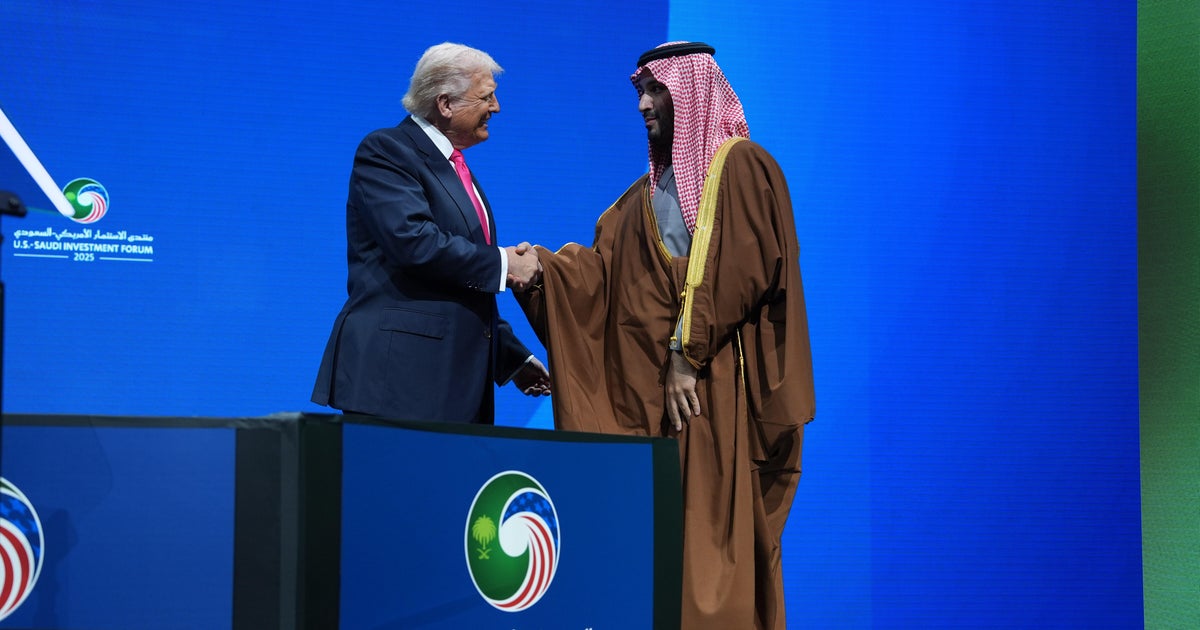
Washington – The US and Saudi governments have signed a nuclear deal that would allow Saudi Arabia to have a civilian nuclear program on its soil in partnership with US companies, the US Department of Energy said on Wednesday.
Energy Secretary Chris Wright and Saudi Energy Minister Prince Abdulaziz bin Salman signed what the Trump administration called a peaceful nuclear cooperation agreement, as well as an Energy Department defense agreement that it says will lay the foundation for a multibillion-dollar partnership to boost Saudi energy. The agreement would set the stage for a nuclear program for energy and other civilian purposes, not for building nuclear weapons.
CBS News previously reported on the expected signing, which was first reported by the Wall Street Journal.
“These agreements demonstrate the commitment of our two nations to strengthening the US-Saudi trade relationship, bringing prosperity at home and security to our partners abroad,” Wright said in a statement. “Be assured that these agreements uphold the highest standards of nuclear safety and non-prohibition, while relying on the best nuclear technology and scientists in the world, designed right here in the United States.”
The deal will create opportunities to enrich uranium on Saudi soil, although that will be controlled by a contracted company and only after a lengthy study is completed, CBS News previously reported. The civilian system is for powering things like AI data centers, not the military system.
The US will want to see goals and precautions. The text of the agreement has not yet been released.
The deal will go to Congress for review, the Department of Energy said. The 1954 law requires Congress to review all nuclear cooperation agreements with foreign countries.
The Westinghouse Electric Company, which builds nuclear reactors, is one of the US companies that plans to help develop Saudi Arabia’s nuclear industry.
“The US government’s announcement to launch a nuclear deal with Saudi Arabia is a historic step that strengthens energy security, expands opportunities for US industries and workers, and drives long-term economic growth and investment returns for both countries,” said Westinghouse CEO Dan Sumner.
The Trump administration’s nuclear cooperation framework was announced publicly in the fall of 2025. At the time, Wright described it as a combination of bilateral defense agreements to bring US nuclear technology into the empire. At the time, Wright stated that this maintains a “firm commitment to non-proliferation.”
The original framework of this agreement was created under the Biden administration, where a former American official with direct information explained that it requires US enrichment only in US-controlled territory. It would also have to be approved by congress.
Under former President Joe Biden, the deal was tied to a US push to encourage Saudi Arabia to follow through with a freeze on relations with the state of Israel. Normalization also depended on Israel providing a path to a future of self-determination for the Palestinian people, not their own state, and provided investment and diplomatic representation. After the deadly terrorist attack by Hamas on October 7, 2023, and the launch of the war in Gaza, that agreement was suspended.
But oil-rich Saudi Arabia was still interested in nuclear power cooperation, especially given the high level of energy supply needed to power artificial intelligence. The late Sen. Lindsey Graham had continued to work on this endeavor through both institutions.
Trump’s agreement does not seem to be overly connected to the foreign policy objective, although the administration is at pains to reassure regional partners of the US’s commitment to their security during this process. The war in Iran. Saudi Arabia and other regional allies have struggled with Iran’s aggression since the war began at the end of February.
The historic agreement shows a strengthening of the alliance and trust between the US and the Saudis. But the civilian nuclear deal is likely to anger Iran, Saudi Arabia’s arch-rival, which has long insisted it has the right to sign the Nuclear Non-Proliferation Treaty to maintain a civilian nuclear program.
Saudi Arabia would not be the first Gulf country to have a civilian nuclear program. Back in 2009, the Obama administration signed an agreement with the United Arab Emirates that included a promise of peaceful nuclear power under non-prohibition controls.